
"use sieve"
2000 article(s) found

Coffee bean wet planing treatment-honey treatment coffee bean sun washing
Coffee bean wet planing treatment-honey treatment coffee bean sun washing is to eat its flesh part; we enjoy coffee, but its seeds are roasted and ground and soaked in water to drink, while the other peels and flesh are abandoned. Coupled with the fact that coffee seeds look like beans, people naturally call them coffee beans. In later descriptions, for simplicity and ease of understanding, we still use
Boutique coffee Cubita Cuban Crystal Mountain Coffee
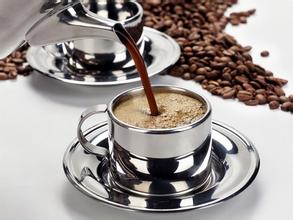
Cubita is Cuban coffee, which is mainly exported to Japan, France, Germany, Ireland, Canada and other countries. The cubita coffee entering the Chinese market is all selected from the pollution-free Crystal Mountain coffee beans in the high altitude areas of Cuba, which is a typical Caribbean coffee bean. All the granules of coffee beans are strictly selected according to the standard of sieve 17-19, and the selected coffee beans have large particles and high maturity.

How to brew authentic Blue Mountain Coffee in Daquan
Professional coffee knowledge exchange more coffee bean information please follow the coffee workshop (Wechat official account cafe_style) [preface] I believe you will soon receive [Jamaica Blue Mountain] beans, this time our Blue Mountain is from Clifton Manor, just on Clifton Hill, is still the oldest coffee producer in Jamaica, and there is only Clifton in Jamaica.

Blue Mountain Coffee can make iced coffee| Can Blue Mountain Coffee be Italian?
Professional coffee knowledge exchange More coffee bean information Please pay attention to coffee workshop (Weixin Official Accounts cafe_style)[ice drop coffee] grinding degree BG 4M (Chinese standard No.20 sieve, 75% pass rate), ice drop grinding degree requirements are not high; 60g powder, drip filter 600ml liquid, generally use 1:10 or 1:12 powder-water ratio, use 0-2 degrees ice water, ice and water 1:1 ratio
The treatment method of half-sun-dried coffee and raw beans
Brazilian half-sun-natural removal of pectin: Brazil used to use the sun method in the past, the quality varies greatly, so that Brazil Yu is synonymous with middle and lower quality. However, in order to improve its quality and reverse its image, the world's largest coffee producer carried out a quality revolution in the 1990s and vigorously promoted the global half-sun method. Brazilian coffee fields are endless and are mostly harvested mechanically to conform to the classics.

What are the different ways of handling different kinds of coffee?
. Water washing-increase fruit acid spirit: water washing is the most popular treatment method at present, and water washing is used in almost all Central and South America except Brazil. The color of the washed beans is blue and green, the appearance of the beans is neat and the pulse is good, and the coffee quality is the highest. Generally speaking, the sour flavor and bright feeling of washed beans are better, and the flavor is clean and free of miscellaneous flavor, which is the most commonly used method for the treatment of fine coffee.

Description of different flavors of coffee beans from Ethiopia and Indonesia
The different flavors of coffee beans from Ethiopia and Indonesia describe the taste of coffee beans. Varieties represent countries: Guatemala, Costa Rica, Savaldo and other Central American countries. The higher the altitude of the origin, the better the quality of coffee. Because of the low altitude and hot climate, coffee trees grow faster and absorb less soil nutrients, so the taste of coffee is poor. Growth 1375 years 1

Coffee bean roasting national standard deep roasting-Starbucks Italian roasted coffee beans
Coffee bean roasting national standard deep roasting-Starbucks Italian roasted coffee beans secret 1: to achieve the highest caramelization-caramelization is an important factor affecting coffee flavor, because raw beans will absorb a lot of heat when roasting, then there is the first 1st cracking, at this time, the sugar begins to be converted into carbon dioxide, water continues to evaporate, and the aroma of coffee will gradually come out.

High-quality Indonesian coffee raw bean classification standard brand altitude planting environment origin
Boutique coffee beans 1. Generally speaking, coffee is not classified according to altitude in countries near the equator because coffee is grown at a higher altitude. In addition, if it is picked by hand and processed by washing, it will not be graded by bad points because there are few immature beans and sundries mixed in. Therefore, the size of the sieve number is generally used as the grading standard. Such as: Colombia, Tanzania
Standard of coffee bean grading international standard coffee raw bean grading method
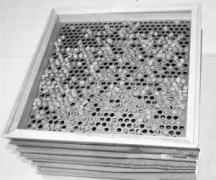
If we go to the wholesale market to buy coffee beans, we will find that the coffee beans there are generally divided into three grades: AA, A, B or AAA, AA, A, which is a simple classification for commercial use. In fact, the grading standards vary from country to country. Today, Chongqing Beresta baristas training School introduces some common ways of grading raw coffee beans to friends: 1. With the size of coffee beans
5 tips for making coffee at home! How to improve the quality of hand-brewed coffee easily?
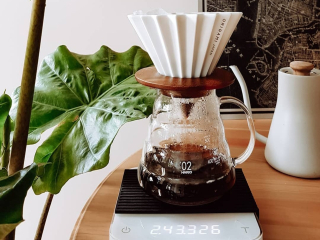
Professional coffee knowledge exchange more coffee bean information please follow the coffee workshop (Wechat official account cafe_style) more boutique coffee beans please add private Wechat Qianjie coffee, WeChat: qjcoffeex with the boutique coffee culture gradually spread to everyone's daily life, plus more and more coffee blogs on the Internet

Should I sift out the fine powder in the coffee? What should be done with the fine powder sifted out from the coffee powder?
Professional coffee knowledge exchange more coffee bean information Please pay attention to the over-extraction of fine powder brought by the coffee workshop (Wechat official account cafe_style) when making coffee, when we mention fine powder, we always avoid it, mostly because we associate fine powder with over-extract, so we are right to think so, yes. Matt Perger, the 2013 world hand champion, believes that the Golden Cup
A brief introduction to the grinding degree and roasting degree of Cuban coffee beans
Careful people will find that Cubita is also unique from other coffees. Cubita is not bitter like espresso coffee, like chivalrous style; not arrogant like blue mountain coffee, like imperial feeling. However, Cubita is like an elegant princess, with a feminine natural tenderness, nobility, tenderness and elegance. Excellent balance, bitterness and sourness well matched, in the taste

Coffee bean red wine treatment bean Kaddura iron card long tail Juan coffee
Coffee bean red wine treatment method bean seed Kaddura iron card Changwei Juan coffee drying method the color of raw beans is yellow, and the water content of coffee beans is generally about 11% and 12%. The advantage is that sun beans have better sweetness and mellow thickness, and less sour taste, so many coffee fans like it very much. The disadvantage is that due to the use of artificial and natural treatment methods in the process, the beans are tanned.

The price of Vietnamese coffee pot and the method of making Vietnamese coffee
Follow the caf é (Wechat official account vdailycom) found that the biggest disadvantage of the Vietnamese pot in the beautiful cafe is that the filter is not fine enough, it needs to use thicker coffee powder, and it is difficult to release the substance in the coffee beans. The coffee powder has no charcoal-fired taste, only regional flavor, suggestions and individual coffee, nothing such as Yega Xuefei in Ethiopia.

Kenya Kaluya Manor AA Coffee cooked beans Kenya Muraya Town washing treatment issues an order for baking
Coffee beans details: country: Kenya Grade: AA producing area: Muraya Town (Muranga) altitude: 1650 m treatment: washed varieties: SL 28, SL 34 producer: Kaluya Manor Flavor: dark berries, woody spices, rich taste surrounded by Kenya Mountain (MT. KENYA, volcano) and Elgang Mountain (MT. Elgon), the more famous producing areas are Mer.

Introduction to the taste of noble and tender Cuban crystal coffee
Cubita is Cuban coffee, which is mainly exported to Japan, France, Germany, Ireland, Canada and other countries. The cubita coffee entering the Chinese market is all selected from the pollution-free Crystal Mountain coffee beans in the high altitude areas of Cuba, which is a typical Caribbean coffee bean. All the granules of coffee beans are strictly selected according to the standard of sieve 17-19, and the selected coffee beans have large particles and high maturity.

Recommend! How to make ice hands to make cold drops of coffee tastes better? How long can the cold extract ice droplets be kept?
After entering the Summer Solstice, the hottest topic in the fan exchange group is # iced coffee is so good to drink, we share each other's experience of making iced coffee every day. The front street of this article combines the views of some enthusiasts and sorts out some tips on how to make ice hand brew coffee, ice drop coffee and cold coffee taste better! / iced hand coffee / because ice is needed to make hand iced coffee
The treatment method of raw bean-- how to deal with raw bean by washing method
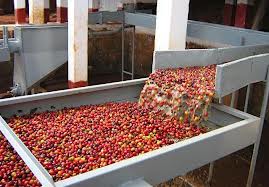
Water washing-increase fruit acid spirit: water washing is the most popular treatment method at present, and water washing is used in almost all Central and South America except Brazil. The color of the washed beans is blue and green, the appearance of the beans is neat and the pulse is good, and the coffee quality is the highest. Generally speaking, the sour flavor and bright feeling of washed beans are better, and the flavor is clean and free of miscellaneous flavor, which is the most commonly used method for the treatment of fine coffee.
Boutique Coffee beans Cubita Cuban Crystal Mountain Coffee Coffee latest introduction
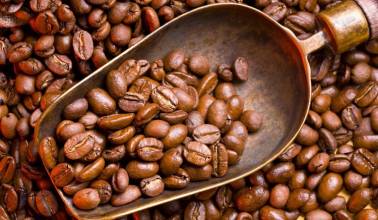
Cubita is Cuban coffee, which is mainly exported to Japan, France, Germany, Ireland, Canada and other countries. The cubita coffee entering the Chinese market is all selected from the pollution-free Crystal Mountain coffee beans in the high altitude areas of Cuba, which is a typical Caribbean coffee bean. All the granules of coffee beans are strictly selected according to the standard of sieve 17-19, and the selected coffee beans have large particles and high maturity.